States receive government funds to revitalize water infrastructure
Projects receiving funding in the Colorado River Basin, included:
- The Delta Mendota Canal Subsidence Correction project in California receives $204 million to address structural impacts to the canal from dropping groundwater levels.
- The Lower San Acacia Reach Improvements project in New Mexico today, which will receive $143 million to realign the Rio Grande for improved water conveyance and to provide a long-term strategy to better manage sediment.
Bureau of Reclamation Deputy Commissioner Roque Sanchez, told media: “Reclamation is committed to utilizing these historic investments from the Bipartisan Infrastructure Law to revitalize our infrastructure for continued reliability and sustainability for the next generation.”
He added: “These facilities are essential to the West as they provide water for families, farms and Tribal communities, while also and producing hydropower and recreation opportunities for communities throughout the Basin.”
Other projects among the 77 selected for funding include efforts to restore canal capacity, sustain water treatment for Tribes, replace equipment for hydropower production and provide necessary maintenance to aging project buildings.
Department of Agriculture funding
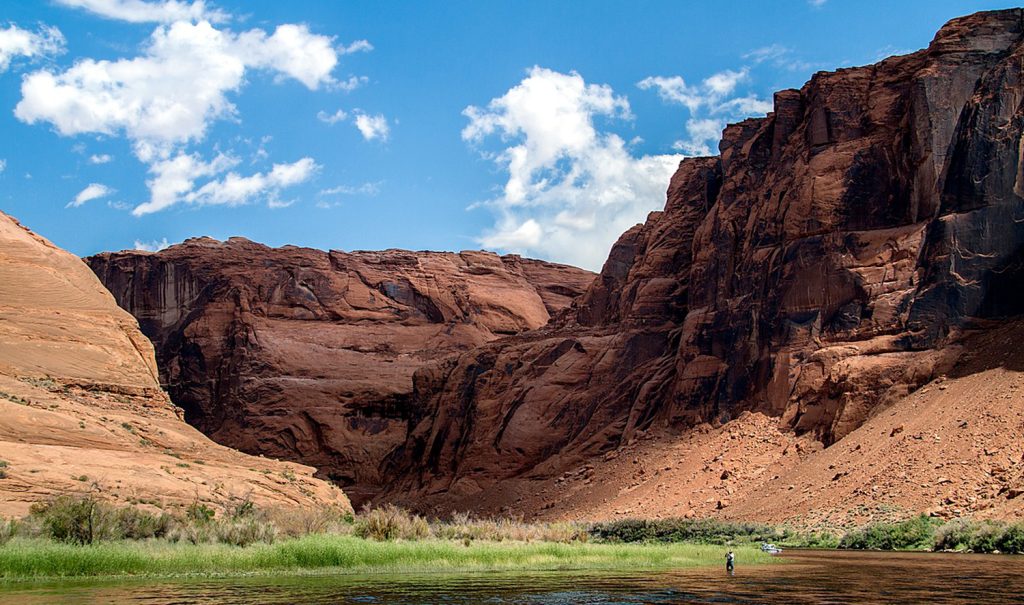
Credit: Klaus Stebani/Pixabay
Four Colorado River Basin states are set to receive funding from the US Department of Agriculture (USDA) as part of a $6.3 billion investment that will include funds to improve access to safe drinking water for rural and Tribal communities.
According to USDA secretary Tom Vilsack, more than 200 projects are being financed across 44 states to strengthen the nation’s infrastructure in rural places, in a bid to grow the American economy from the ‘middle out and bottom up’.
Vilsack told media: “The Biden-Harris Administration invests in rural America, because we know strong communities are rooted in their people.”
He added: “These investments will build modern infrastructure that will attract employers to the nation’s smallest towns and most remote communities, creating jobs, vibrant main streets, and lasting economic growth for the people who live there.”
Funds for strengthening rural water infrastructure
Although the vast majority of the USDA funding is being spent on expanding access to a clean and reliable electric grid, including to Colorado, it is investing nearly $642 million in improving and expanding access to clean and reliable drinking water, sanitary waste disposal and storm water drainage across 41 states, including Utah, Arizona and California.
This comes at a time when the seven Colorado River Basin states are attempting to agree a water management plan for the area that will run from 2026 to 2040.
Funding available through loans and grants
The investments are being made through the Water and Waste Disposal Loans and Grants program and the Solid Waste Management Grants program and are being administered through the Rural Development subsidiary of the USDA.
Through these loans and grants, the USDA aims to help state and local governments, private nonprofits and federally recognized Tribes build or improve rural wastewater systems. For example, in other parts of the US:
- Rock Rapids Municipal Utilities in Iowa received $25 million to improve its wastewater treatment facility. It will alleviate an imminent sanitary hazard to meet water treatment quality standards and improve the health and safety for 2,550 residents in Lyon County.
- Rural Action Inc. received $122,000 to fund an initiative to encourage best practices for waste management by improving recycling and composting techniques in 14 Appalachian counties. It’s expected to improve environmental quality and living conditions for more than 150,000 residents in 12 counties in Ohio and two counties in West Virginia.
Solid Waste Management Grants program
The Solid Waste Management Grants program awards grant funding to qualified organizations that provide technical assistance and training. The SWMGs Program funds can be used to help reduce or eliminate the pollution of water resources and improve planning and management of solid waste sites in rural areas. This includes addressing contamination caused by emerging contaminants, such as Per- and polyfluoroalkyl substances (PFAS), disaster resilience, and other areas of priority.
Water and Waste Disposal Loans and Grants program
The Water and Waste Disposal Loans and Grants program provides funding for clean and reliable drinking water systems, sanitary sewage disposal, sanitary solid waste disposal, and storm water drainage to households and businesses in eligible rural areas.
It was designed to assists qualified applicants who are not able to obtain commercial credit on reasonable terms. Eligible applicants include: Most state and local governmental entities; private nonprofits; and federally-recognized tribes.