Arizona’s tribal nations left without water rights
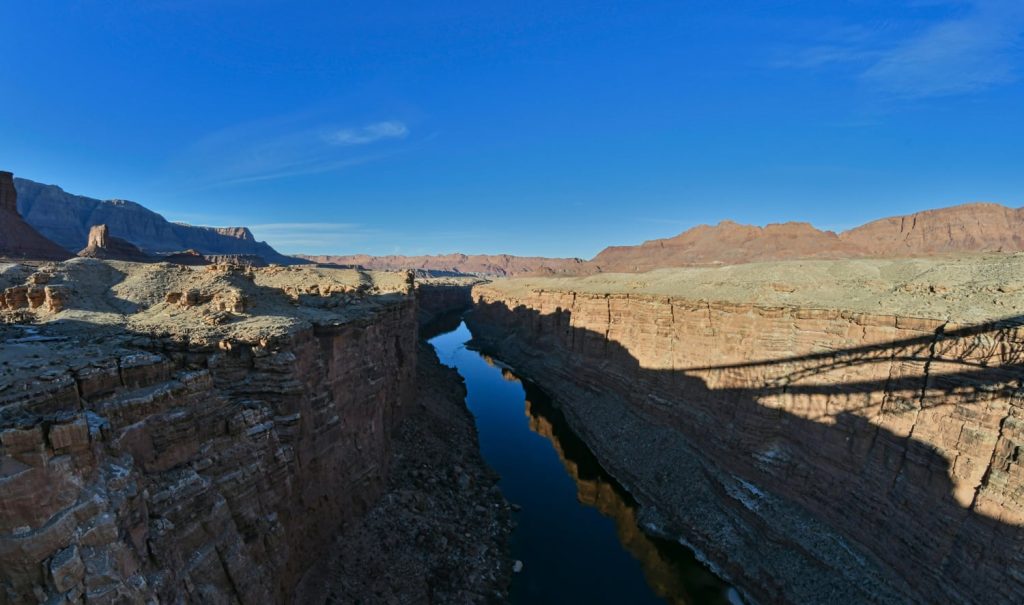
The deal as presented to the previous Congress would have given the Navajo Nation rights to approximately 15.7 billion gallons of water from the Colorado River in Arizona. The Hopi Tribe would have received 2.7 billion gallons, and the San Juan Southern Paiute Tribe would have secured approximately 114 million gallons and a 5,400-acre reservation ─ it is currently the only federally recognized tribe without a land base.
An agreement of this kind, between so many stakeholders and competing interests and needs was always going to prove a challenging negotiation. The deal would have allowed the Tribes to lease the water ‘off-reservation’, effectively selling a portion of their rights to meet demands elsewhere in the basin, for example, the lower basin states. According to the Colorado Sun, one of the concerns raised in negotiations was the possibility that this could become a lucrative leasing scheme and that too much water would find its way to the lower basin states.
Movement of water between sub-basins usually requires full consensus between the basin states and the terms of these leases proved to be one of the sticking points that delayed full agreement of the deal.
Another concern was raised Utah state regarding the proposed new reservation for the San Juan Southern Paiute Tribe. The proposed area stretched into Utah and the state wanted clarification on how that impacted its own existing water rights.
Navajo Nation will move forward with the deal
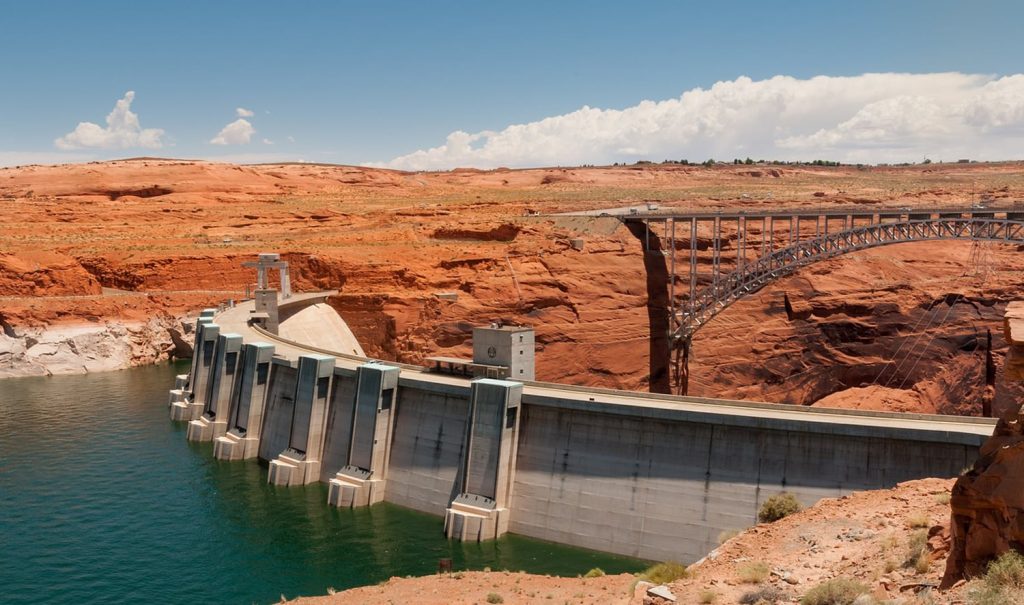
While all stakeholders are believed to be keen to take the deal back to Congress, the Navajo Nation’s president, Dr Buu Nygren addressed the issue directly in his State of the Nation report in January (2025), including a separate, additional Act introduced by the Nation: “When I came into office, one of my highest priorities was securing our water rights, because without secure water rights, we cannot have a thriving economy. Last year, we introduced two major water rights bills in Congress: The Northeastern Arizona Indian Water Rights Settlement Act, and the Navajo Nation Rio San José Stream System Water Rights Settlement Act.”
He added: “Although we made significant progress on both bills last Congress, we ran out of time before Congress adjourned, and neither bill passed. We are working with our delegation to reintroduce both bills this year.”
Despite the failure of the bills to pass, Congress did ensure that the construction of the Navajo-Gallup Water Supply Project (NGWSP) will continue. As a result, the Bureau of Reclamation Commissioner Camille Touton announced $120 million would be put towards the project.
Nygren added that securing water rights would have transformative effects on public health, economic development, and cultural traditions.
“When families have safe, reliable water supplies, they can invest in agriculture, housing, and businesses ─ building stronger local economies. Most importantly, water is sacred to the Diné people, integral to our cultural practices and way of life. By securing our water rights, we protect our sovereignty and ensure that future generations inherit a Nation where they can thrive.”
He added: “Together, we will continue to work tirelessly in Congress and beyond to fulfil these promises.”
Progress being made on water supply and treatment
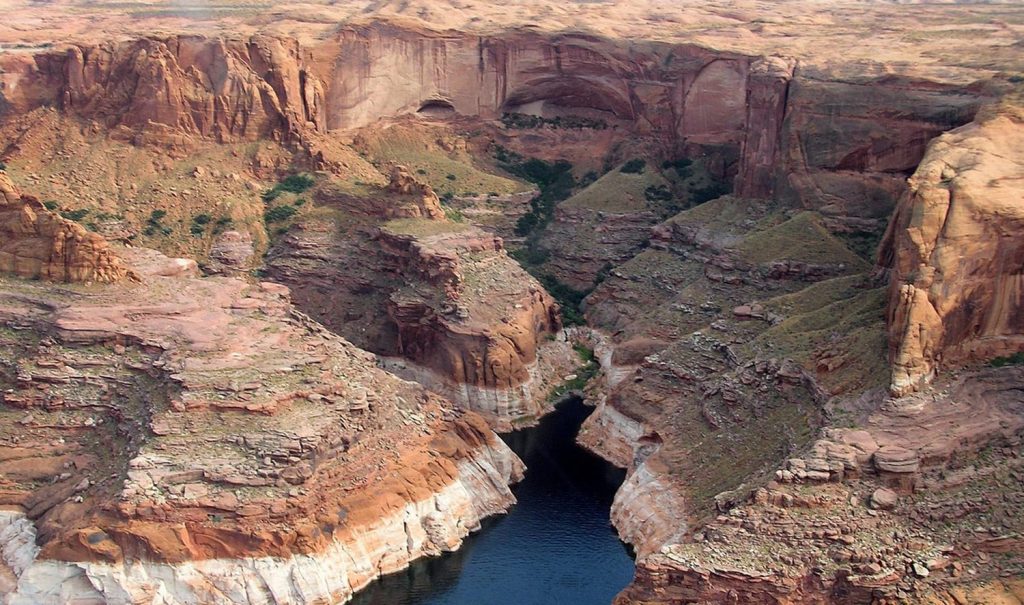
Each Tribe can decide how to use the water their water but are tied to the complex laws and regulations that cover the Colorado River. Despite the deal not being passed by Congress, the Navajo Nation has been making progress on its own water infrastructure projects as it looks to secure water for its population.
Notable water infrastructure projects completed during 2024 include: 258 homes receiving water and wastewater systems; a lift station replacement improved services for 850 homes, 26 miles of water pipeline were constructed with plans to double this number in 2025.
On an even larger scale, work began on the $7 million Beacon Bisti Water Project, that will provide clean water to almost 7,000 Diné residents in eight communities, including Coyote Canyon, Tse’ii’ah, Nahodishgish, Crownpoint, Little Water, Becenti, White Rock, and Lake Valley. The project is a 46-mile pipeline that forms part of the Navajo-Gallup Water Supply Project. Another water pipeline, the $20 million Tohajilee waterline project, will bring water to 1,600 residents of the Navajo Nation that currently rely on wells.
Other projects included the completion of the Lower Greasewood Water Treatment Plant, and construction starting on three further wastewater treatment plants in Kayenta, Chinle, and Shiprock communities.
Moving forward across the basin
Despite the Act having widespread support in the Colorado River Basin, it will need to go through the same processes as before, with hearings and debates. However, following President Trump’s re-election there will be a new administration, with new congressional members and agency leaders, which presents an unknown factor into the Act’s potential progression.
Speaking to the Colorado Sun newspaper in December 2024, Tom Buschatzke, director of the Arizona Department of Water Resources and principal negotiator for the state on Colorado River matters hoped that the support of all seven river basin states would be enough to smooth the Act’s progress.
“I have a very high degree of confidence,” he told the paper.
The negotiations between key stakeholders, and between Upper and Lower basin states involves a great of negotiations, with several competing concerns needing to be addressed, in areas that are experiencing low rainfall, drought, and competing needs between residential use, agricultural use, industrial use, and more. Ultimately, ironing out the concerns and gaining a consensus caused enough delay for time to run out for getting the deal approved by Congress.