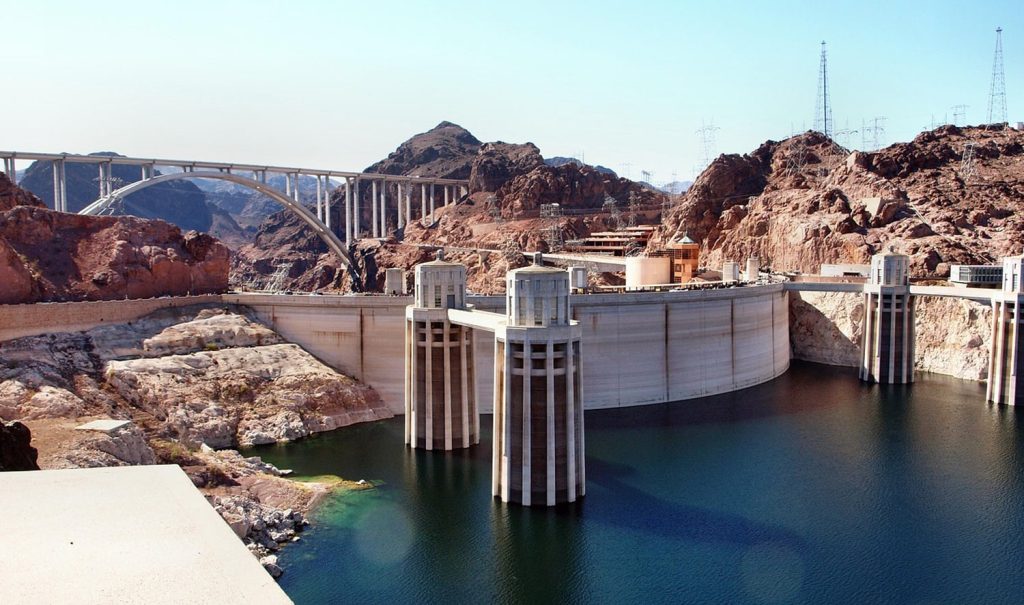
Bureau of Reclamation invests $566 million in Colorado River conservation projects
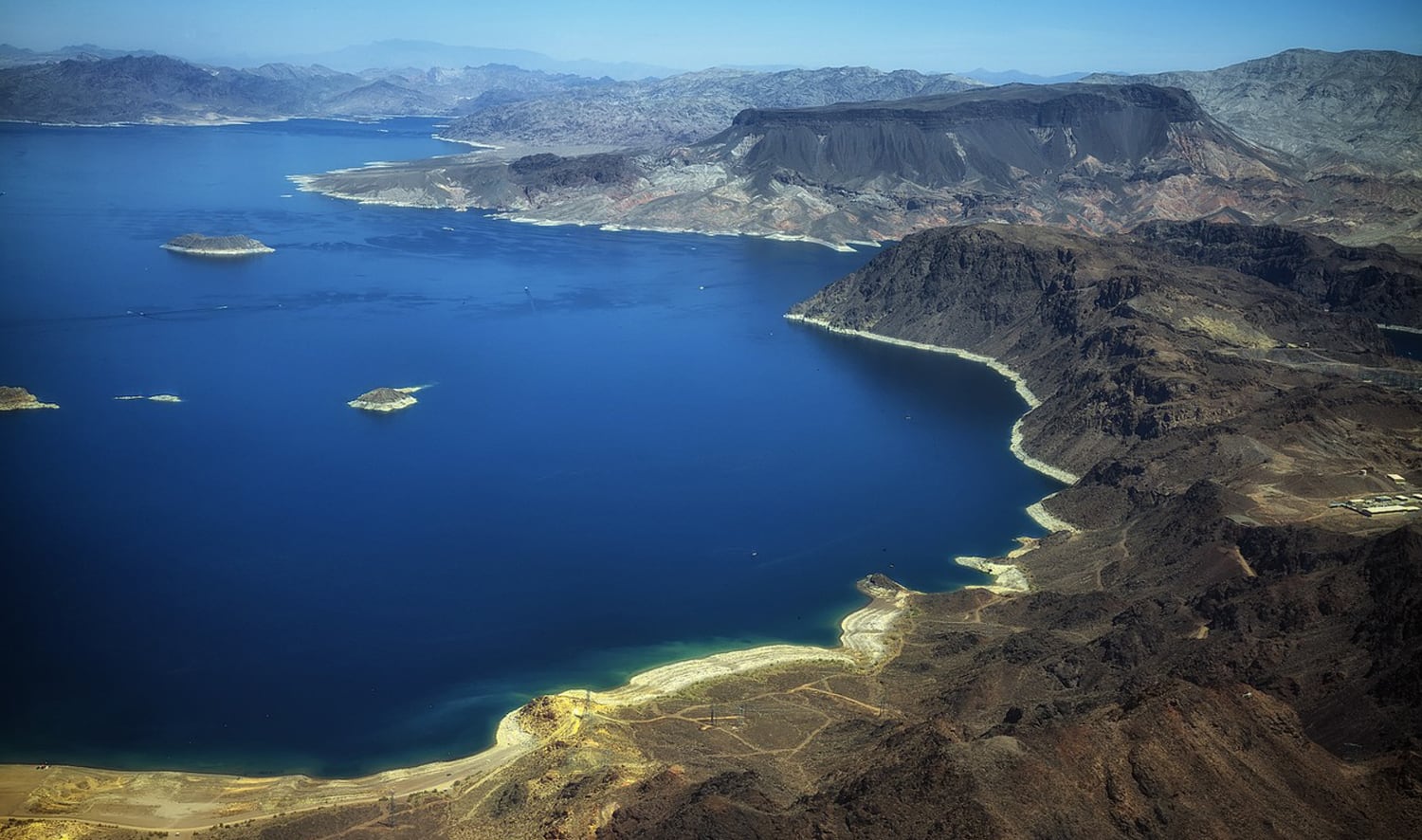
Meanwhile, $284 million be used for long-term conservation projects in collaboration with the Southern Nevada Water Authority, the Metropolitan Water District of Southern California, and the Coachella Valley Water District.
“These investments through the Lower Colorado Basin System Conservation and Efficiency Program, are yielding hundreds of thousands of acre-feet of water savings,” said Bureau of Reclamation commissioner Camille Calimlim Touton. “Thanks to historic resources provided through President Biden’s Investing in America agenda, we are advancing essential water infrastructure projects that mitigate the worst impacts of climate change and safeguard communities in the Colorado River Basin.”
Using science to meet conservation needs in the basin
A press statement from the Bureau said: “Reclamation is using the best available science and actively collaborating with water users across the Colorado River Basin to determine best ways to meet the Basin’s increasing conservation needs.”
During visits to Tucson and the Salt River Project, Touton told local media: “These investments are a prime example of how strong partnerships coupled with the implementation of innovative solutions can ensure a sustainable future for the Colorado River.”
She added: “These long-term investments support the resiliency of communities across the State of Arizona for the benefit of generations to come.”
Conservation projects benefit from investment
The city of Tuscon
The city of Tuscon will benefit from $86.6 million investment from the bureau. This will be used to construct the Advanced Water Purification Demonstration Facility which will generate direct potable reuse by treating effluent from the Tres Rios water reclamation facility. It is estimated to generate more than 18 billion gallons of water conservation for Lake Mead over a period of 10 years.The town of Gilbert
Gilbert will benefit from funding for two projects. A project that will install 27,943 Advanced Metering Infrastructure Radios will receive $3 million. The radios will help ensure more efficient use of water in the town. It is estimated that these efficiency savings will help to conserve more than 814 million gallons of water in Lake Mead. A further investment of $13.8 million will be used to improve distribution structures within the town’s Riparian Preserve. Estimates suggest the improvements will increase flows from five million gallons per day to eight million gallons per day. This will allow reclaimed water to be utilised for aquifer recharge and will result in an estimated 1.95 billion gallons of water conservation in Lake Mead over the conservation period of 10 years.Salt River Project
The bureau is investing $154 million in partnership between the Salt River Project in partnership and the Central Arizona Project that will construct an interconnection facility to allow for water deliveries from the Salt River Federal Reclamation project to upstream users along the Central Arizona Project and Colorado River. This will not only improve regional water redundancy and flexibility, but will also provide critical resiliency support for the Central Arizona Project during periods of prolonged drought. Following the investment, negotiations will seek to secure a System Conservation Implementation Agreement to ensure that such investments will also result in significant water conservation efforts to boost Lake Mead’s water levels. The project will additionally undergo an Environmental Impact Statement, and execution of other agreements, including wheeling contracts, prior to water deliveries through the Central Arizona Project.Yuma East Wetlands and Topock Marsh
The Bureau of Reclamation also announced $25 million funding from the Bipartisan Infrastructure Law would be put towards protecting and maintaining the Yuma East Wetlands habitats and Topock Marsh’s water delivery system. The 4,000-acre Topock Marsh, in the Havasu National Wildlife Refuge, will receive $20 million toward work already begun on increasing efficiency of the marsh’s water-delivery system. The marsh provides an important habitat that supports two endangered species: the southwestern willow flycatcher, and the only northern Mexican gartersnake population on the lower Colorado River. The Yuma East Wetlands will receive $5 million to help rebuild vital infrastructure that will ensure the viability of the marshes for future generations. Improvements include the replacement of water control structures, replacing diesel driven pumps with electrical pumps, extending concrete canals and bringing electrical power to the conservation area to allow automation. The area is a popular recreation destination and, like Topock Marsh, provides habitats for endangered species.Coachella Valley Water District Project
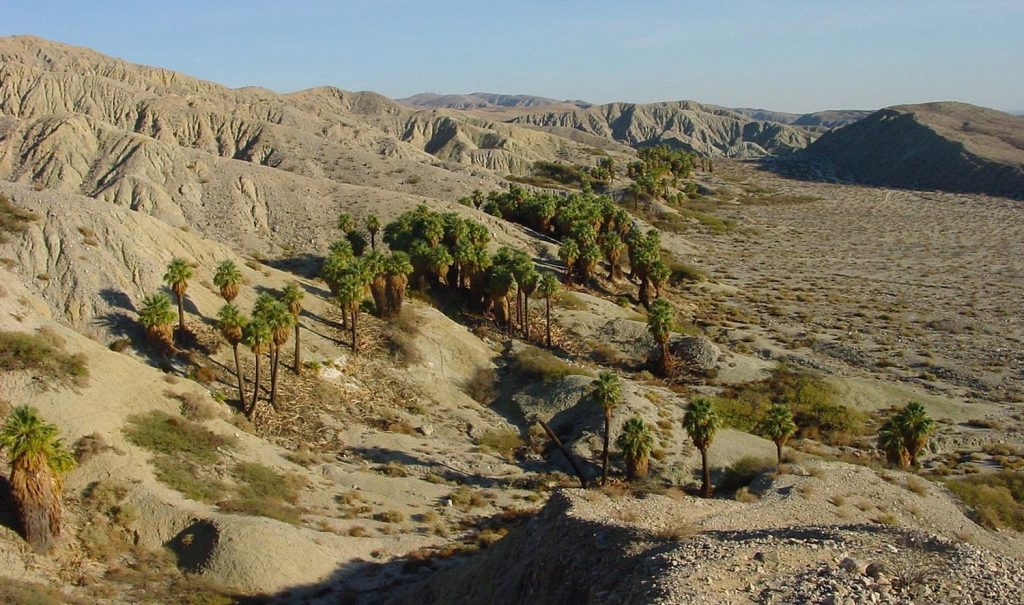 The project with Coachella Valley Water District is a one million gallon per day tertiary facility that will deliver a blend of recycled water and canal water to large agricultural customers. It is expected to result in 10.9 billion gallons of water conservation in Lake Mead and ensure a more stable and resilient water supply for agriculture.