Why Utah is bucking the ‘use it or lose it’ trend
States in the Colorado River Basin rely on a hierarchy of claims to manage water use. The oldest claim comes from California, which has the right to more water from the Colorado River than the other six basin states. Or to put it another way, under the prior-appropriation water (first) rights system, because California was the first to claim the water, it still has the strongest legal claim.
Within the basin states, another principle also applies ─ beneficial use, whereby the water must be used for (as examples) agriculture and irrigation, and if you don’t use it for those purposes, you lose the right to use it all. And someone else will get to use it.
The end game of such a principle is that every last drop of allocated water should be used.
And while the basin states have introduced local water conservation measures in recent years, the two main principals of first rights and beneficial use still apply.
Bucking the trend
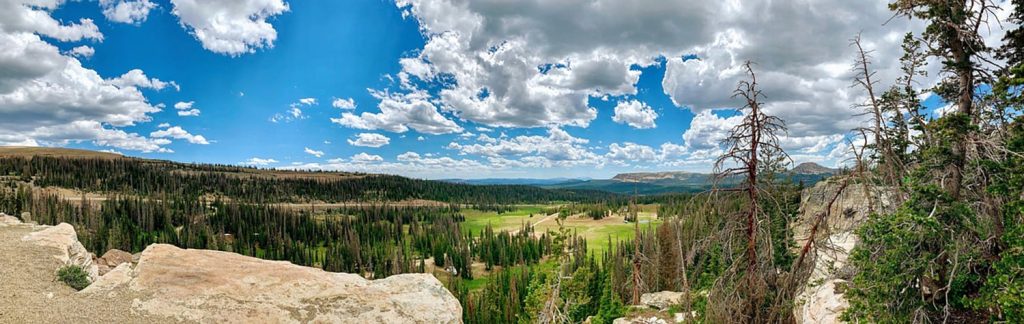
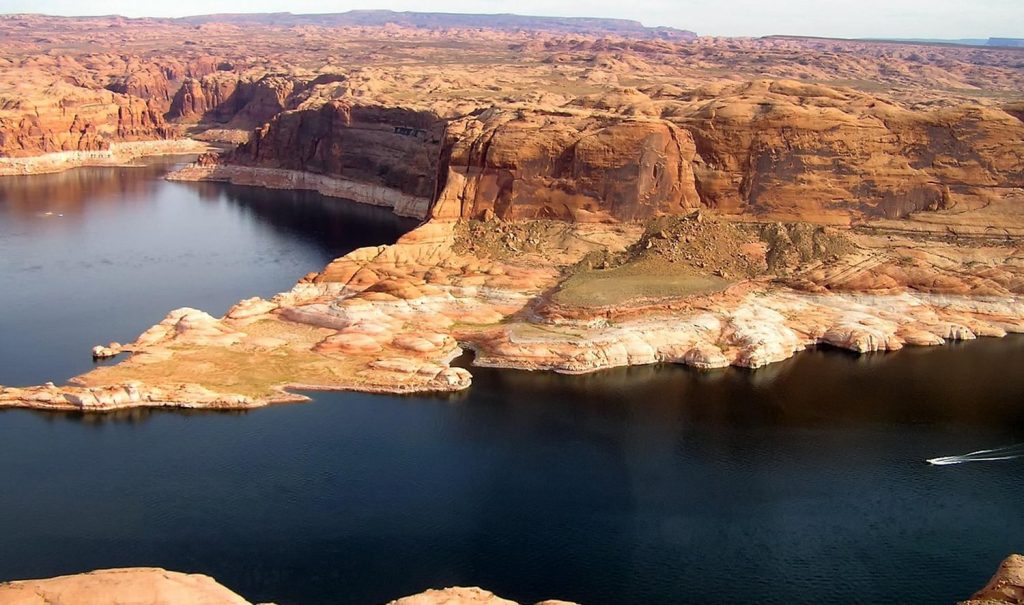
However, one state has started to buck the trend. The Colorado River Basin covers roughly half the state of Utah, with the river running diagonally through the state from the east to the south before it enters Arizona.
Until recently, Utah had been experiencing a two-decade long period that was the driest on record for hundreds of years.
The iconic Great Salt Lake, situated in the county’s northwest is in danger of drying up completely with as much as 60 per cent of the lakebed dry. A task force made up of key stakeholders and state agencies has managed efforts to halt the decline and levels have improved since 2022 when they were at their lowest.
While the fate of Great Salt Lake does not directly impact on the Colorado River basin, the factors that have led to its current state also affect the latter ─ climate change, extraction, competing usage claims, etc.
Optimization rather than use it or lose it
While other basin states operate the beneficial use system on a use or lose it basis, Utah state legislature introduced the Agricultural Water Optimization Program Task Force in 2018. The task force’s goal was to identify the issues faced by the state’s long-term water supply, with the aim of ensuring supply for future needs. Obstacles and constraints to the state’s ability to optimize water supply were identified, as well as ways to be measure water use.
The program was codified in state law in 2023. This established a $200 million fund and created an ‘optimization’ committee within the Utah Department of Agriculture and Food.
The program’s mission statement is to help ‘agricultural producers optimize their water use to create water resiliency in Utah’. To do this, grants are awarded to help farmers to use water more efficiently through ‘innovative agricultural practices and the funding of new and updated infrastructure’, without increasing depletions.
How does the optimization program help farmers?
The program opens for applications once a year. Those applying need to meet certain criteria, but if successful can expect funding up to the following levels*:
- 75 per cent cost share for projects doing subsurface drip and automated surge valves
- 50 per cent cost share for all other water optimization projects
- The maximum grant amount for irrigation/canal companies is $1,000,000
- The maximum grant amount for farms is $500,000
- A 10 per cent minimum out-of-pocket contribution (which must be documented in payment requests).
Expectations, if the funding is to be approved, include:
- Real-time metering is required on all projects:
- Daily recording of all water that flows through the system
- The meter must be able to record and store data
- Data from the meter will be used in annual reports
- Annual reports on water usage and crop production are required for three years after project completion
- 20 per cent of funding is withheld until the project is complete. This includes:
- The final report has been approved
- Final inspection has documented that the project meets all the program requirements
* https://ag.utah.gov/agricultural-water-optimization/program-information/
According to a report on the Civil Eats website, in 2024, 190 farms received more than $20 million to ‘improve their on-farm practices’. Each received an average of approximately $106,000. Additionally, it was reported that 45 irrigation companies ‘received approximately $22 million to improve their practices’.
A drop in the ocean for future proofing supply
The conservation program in Utah is designed to better manage water supplies that have been affected by drought, over extraction, climate change and complex and competing needs. As well as managing water in the here and now, the conservation measures offer a measure of future proofing against ongoing water shortages.
Of course, conservation efforts in Utah must also be seen in the wider context of supply in the Colorado River Basin, the needs of both upper and lower basin states and the Tribes that also have rights to the river’s water. All this fits into the negotiations for water rights once the current deal runs out in 2026.
Currently, the basins reservoir levels are on average half-full and spring run-off from seasonal snowfall is expected to be lower than normal, according to the Upper Colorado River Commission, which makes any conservation measures adopted at state level all the more important.
Utah’s measures may not affect the wider water rights negotiations, but in promoting conservation over ‘use it or lose it’, perhaps it is showing other basin states a different way forward?