

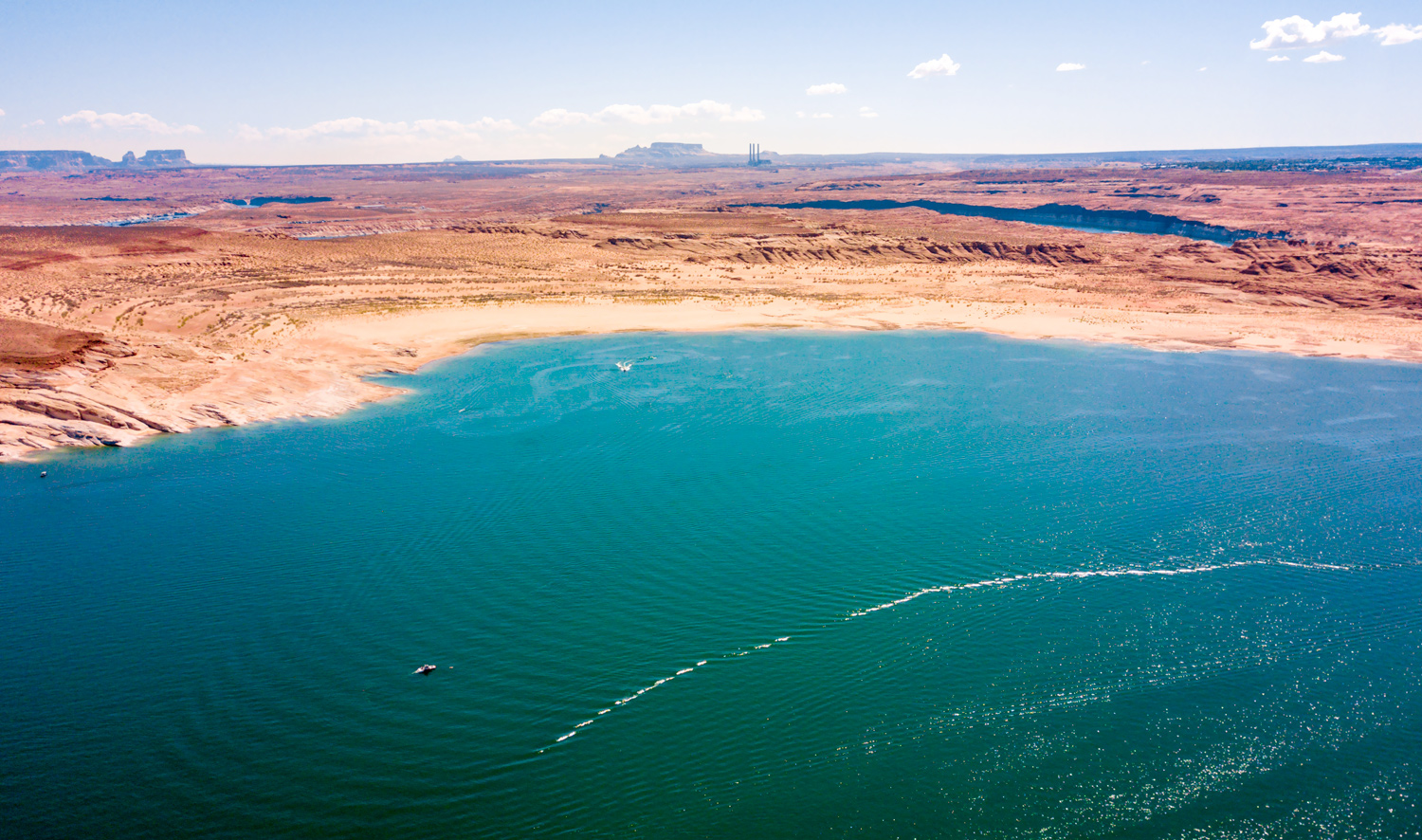
Water delivery in the West Slope watersheds could become unsustainable
A study published in the journal Earth’s Future has revealed that even under ‘modest climate projections’ six of the West Slope watersheds in Colorado that feed Lake Powell face a ‘tipping point’ and that traditional water delivery levels may not no longer be sustainable.
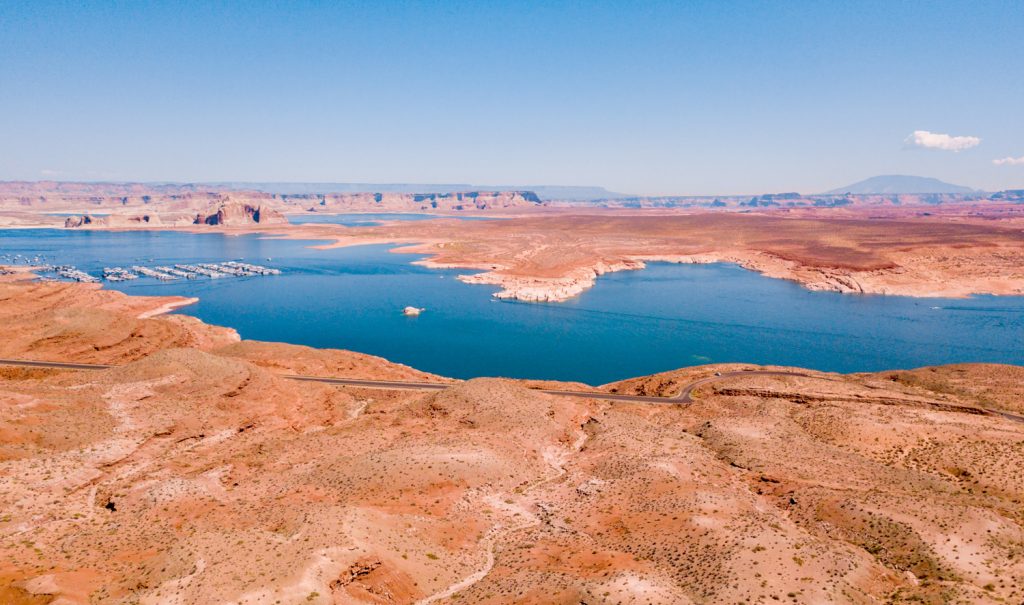
Lake Powell reservoir faces uncertain future
The importance of the Lake Powell reservoir cannot be understated. The lake acts as the primary storage area for water originating from four rivers – the Green, Gunnison, San Juan, and the Colorado. This water is eventually released to Lake Mead and then the Lower Colorado River Basin states of Arizona, Nevada, and California, and eventually, Mexico. Together, Lake Powell and Lake Mead account for almost 90% of the Colorado River Basin’s storage capacity.
The six watersheds along the Colorado River that were studied, along with Lake Powell, support $5 billion annual agricultural economy. Lake Powell is also a popular tourist destination.
Modelling drought vulnerability in the Colorado River Basin
The study represents the most comprehensive exploratory modelling analysis of drought vulnerability in the Colorado West Slope basins yet undertaken. The purpose was to better understand the limits of current water management policies and identify new strategies that may prove beneficial.
Research was led by Patrick Reed, the Joseph C. Ford Professor at Cornell Engineering’s School of Civil and Environmental Engineering, who along with fellow researchers David Gold and Rohini Gupta, paired Colorado’s water planning model, StateMod, with a new hidden Markov modelling framework, creating ‘hundreds of thousands of streamflow scenarios under both historical and climate-change conditions’.
Modelling leads to stark conlusions
Credit: Wirestock-Unsplash
According to the modelling, the future looks stark for water in the Colorado River Basin. As the conclusion notes:
“Results from the climate-adjusted ensemble reveal that even modest streamflow declines from a middle-of-the-road climate change projection strongly increase regional drought risks.
“The 7% decrease in stream flows captured within the climate-adjusted ensemble causes a regime shift that makes historical drought events routine and generates unprecedented drought events in terms of severity, persistence, and spatial extent.
“When routed through StateMod, our findings indicate that climate-induced droughts lead to prolonged periods of drastically reduced downstream water deliveries to Lake Powell, jeopardizing the sustainability of a vital component of the Colorado River Basin system.”
The researchers note that current reservoir operating policies for Blue Mesa, Lake Granby, and McPhee Reservoir will not be able sustain historical storage volumes, even under middle-of-the-road climate change projections.
The conclusion adds: “Our results show that the water supplies in the West Slope Basins could be near a tipping point if a dryer future is realized. A relatively modest decrease in streamflow could generate a cascade of multi-sectoral impacts, threatening agricultural output, lowering reservoir levels, and harming sensitive ecosystems.”
Research helps to shape future water management plans
Relying on historical records to analyse and predict drought vulnerability results in ‘severely underestimating future events and the impacts these will have on water supply, storage and business that rely on the watersheds, such as agriculture.
However, the researchers believe that the results of the modelling can inform not only future Colorado River planning efforts but can also be applied to other snow-dominated regions that face persistent droughts.
The research was published during negotiations for water sharing among the Colorado River Basin States that will be implemented when the current agreement runs out in 2026. The Bureau of Reclamation has proposed five options for managing the water taken from the Colorado River, many of which propose cuts to the amount of water that can be taken.
The current agreement was put in place following a drought in 2021 that saw Lake Powell fall to record low levels. This led the Bureau of Reclamation to declare the first-ever water shortage in the Upper Colorado River Basin.
David. F. Gold, an assistant professor of physical geography at Utrecht University who conducted the research as a postdoctoral associate at Cornell Engineering, told media: “This finding highlights the need for advanced drought analysis methods that can capture these widespread and interconnected impacts.”
He added: “With increasing pressures on water resources, integrated management approaches that are scientifically informed and consider interconnected sectors are critical to preserving resilience.”
Related content
More information: David F. Gold et al, Exploring the Spatially Compounding Multi‐Sectoral Drought Vulnerabilities in Colorado’s West Slope River Basins, Earth’s Future (2024). DOI: 10.1029/2024EF004841
https://water-united.com/meet-colorados-water-plan-architect-qa-with-james-eklund-interview/
https://water-united.com/creating-a-healthy-watershed-using-artificial-intelligence/