UCLA report promotes reuse as solution to water scarcity issues
A report published by UCLA has emphasised the benefits of increased water recycling as viable strategy for mitigating the Colorado River Basin’s water scarcity challenges. Currently, of the seven river basin states, only two – Arizona and Nevada – have recycling and reuse rates higher than 50% of the total wastewater they generate.
The report suggests that if all states average 40% the savings could generate more than 285 billion gallons of water on annual basis.
The need to understand water recycling in the basin states
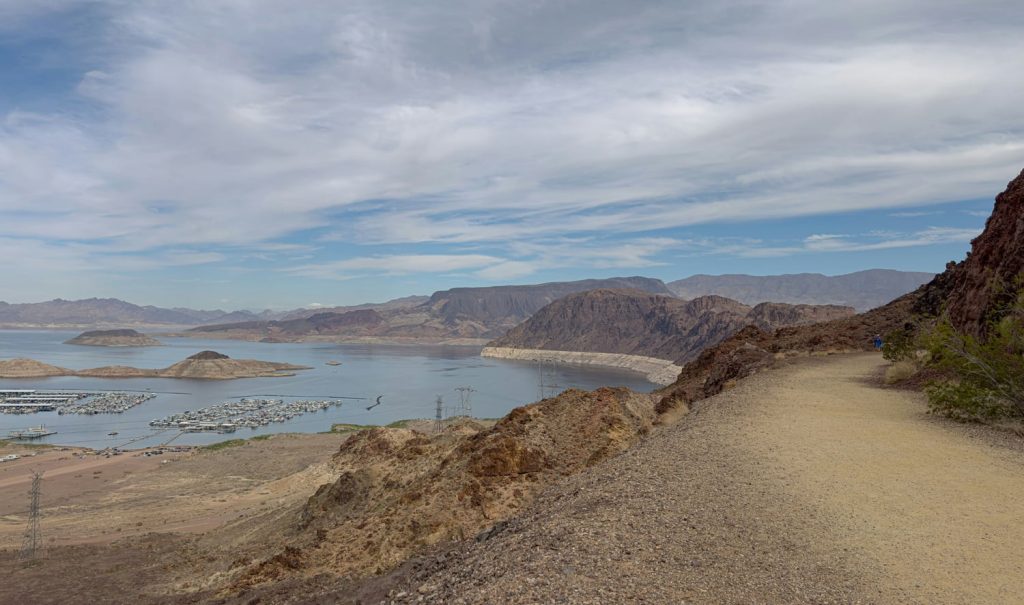
The UCLA report makes clear from the offset that the need to better understand the state of water recycling and reuse in the basin states is greater than ever. The impacts of prolonged drought and excessive withdrawals, which led to the two major reservoirs on the Colorado River falling to record low levels, is still impacting water availability.
When you also consider population growth, increasing industrial and agricultural needs, and the current stand-off in negotiations for post-2026 usage agreements between the states, and it is clear that alternative sources of water need to be found to complement other water preservation strategies being put in place.
Municipal wastewater offers a sustainable water supply – showers, washing machines, toilet flushes, dishwashers, etc, all use water on a daily basis across populations. All of these ‘dirty’ water sources can be treated for reuse, to stop
How did UCLA assess current levels of recycling and reuse?
For the analysis, UCLA’s Institute of the Environment and Sustainability partnered with Natural Resources Defense Council to investigate the levels of recycling in each state, as well the progress each was making, and the development of water conservation policies. It is worth noting that the analysis was carried out throughout 2022 and the situation may have changed to some extent since then.
To quantify recycling levels, the researchers assessed: the volume of water entering municipal wastewater treatment plants (where those plants treated an average of greater than one million gallons a day across the 2022 calendar year); the amount those plants reclaimed or reused; and the amount they discharge back into the environment.
The researchers efforts were hampered in part by the lack of data held at state level covering wastewater recycling, including volume, level of treatment, and end use of the recycled water. Of all the river basin states, California maintains the best records and data, which is available through the California Open Data Portal.
It also became apparent that what is considered as water recycling varies from state to state as do certain definitions of wastewater treatments levels.
The researchers, therefore, sourced information directly from the treatment plants, with the caveat “determining how much water is being recycled was a significant challenge, and determining how much recycled water is ultimately directed to municipal, agricultural, or industrial users was often limited to qualitative description, if information was available at all.”
What did the analysis reveal?
This analysis revealed that many individual water treatment plants, cities, and regions are making progress toward water sustainability. However, too many states are failing to meet their potential for wastewater reuse.
While the researchers suggest an average recycling rate of 50% should be aimed for, only two states (as of the end of 2022) had achieved higher rates. Average municipal wastewater recycling rates from publicly-owned treatment works, across all seven states was 26%
Nevada reused as much as 85% of its municipal wastewater, while Arizona reused 52% – not only are these the two driest states in the USA, but Arizona is also one of the fastest growing states in terms of population. The next highest level of reuse was California, which reused 22% despite producing the largest volume of wastewater of all seven states, with New Mexico reusing 18%. Elsewhere in the basin, Colorado only managed 3.6%, Wyoming 3.3%, and Utah less than 1%.
From these figures it can be seen that the lower basin states (Arizona, California, and Nevada) recycled significantly more of their wastewater than the upper basin states (Colorado, New Mexico, Utah, Wyoming).
Although California only currently recycles 22% of its wastewater, the volume is the greatest out of all the states. There are also state plans to build three new water recycling plants in San Diego, Los Angeles and Southern California, which would increase the state’s recycling rate to above 56% of total generated wastewater.
The report states that: “Overall, the Colorado River Basin states are missing opportunities to ensure a safe, sustainable, climate-resilient supply of water in a hotter, drier future.”
Recommendations for improving water recycling and reuse
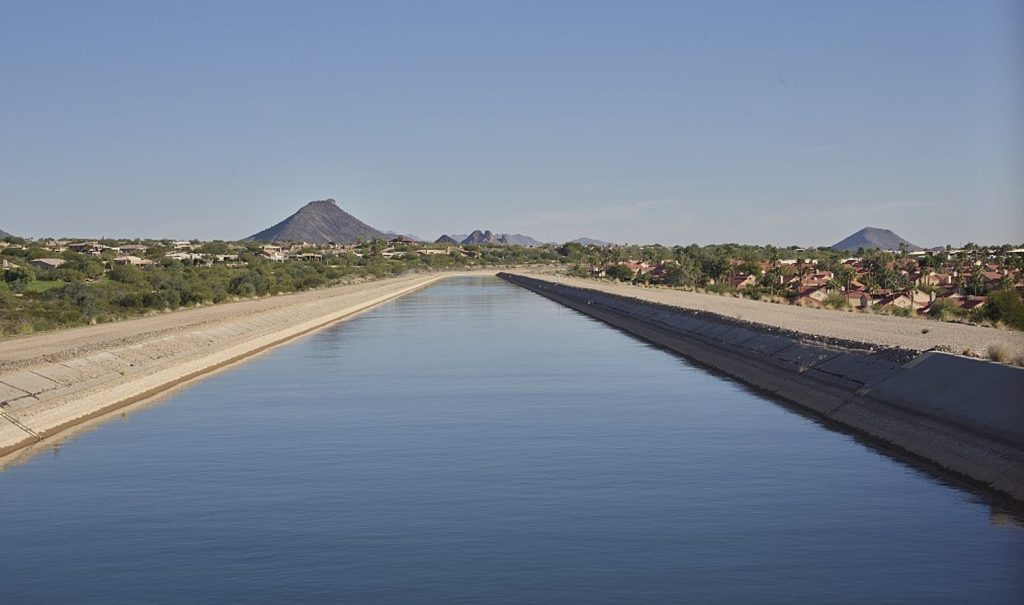
The researchers used the information gathered at state level to propose a set of recommendations that can be used by key stakeholders, such as the Environmental Protection Agency, and federal and state agencies. One reason for producing the recommendations was the finding that the rates of water recycling achieved by the river basin states were done so “in the absence of strong federal recycled water policy or any federal regulation”.
This lack of support has hampered state efforts to promote water reuse and develop recycling efforts. As the report states: “Promoting consistent and growing national water reuse will require action at both the federal and state level.”
The recommendations include:
- Within two years, EPA, working with state partners, water agencies, and non-governmental organizations, should develop a model state program and ordinance for recycling of municipal wastewater with minimum elements.
- EPA should improve data acquisition and management, including developing guidance for standardized facility-level reporting and state data sharing, to ensure availability of information and comparability of data between states.
- EPA should further develop and disseminate the latest science and technical information on treatment processes and pathogen risk assessment for different sources of water and reuse applications.
- In partnership with the states, EPA should develop wastewater reuse goals and timelines.
- EPA – working with other federal agencies including the Bureau of Reclamation and the Departments of Agriculture, Energy, and Defense – should develop and implement funding strategies beyond those already in existence, including furthering the Pilot Program for Alternative Water Source grants.
“Overall lack of state-level oversight and awareness of wastewater recycling efforts in several states is alarming"
The UCLA analysis also uncovered inconsistency across the river basin states and between programs, with the report citing “overall lack of state-level oversight and awareness of wastewater recycling efforts in several states is alarming.”
To address, the report included a further set of recommendations for state level programs:
- Work with EPA to establish numeric targets for wastewater reuse for each state, with timelines and interim goals.
- Work with local water reclamation or reuse agencies to develop funding strategies to meet targets for 30%, 40%, or 50% goals.
- Improve data acquisition and management, as well as reporting requirements where applicable, for wastewater treatment facilities and wastewater reuse operations.
- Conduct assessments of current state legal and regulatory requirements to identify barriers to wastewater reuse and develop formal state policies for overcoming those barriers.
What can be achieved through water recycling
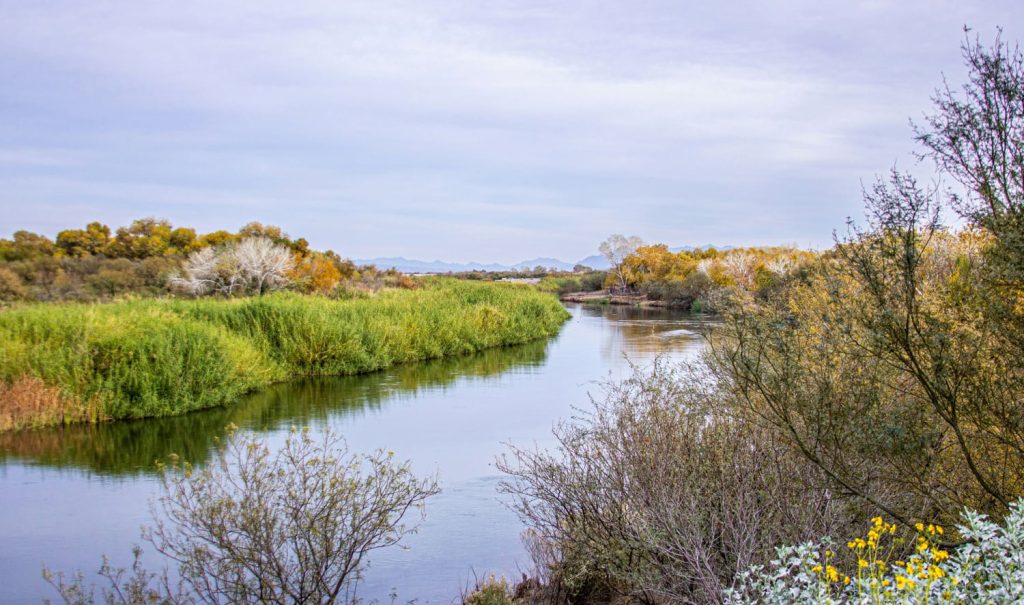
The report makes clear that post-2026 management of the Colorado River Basin needs to focus on reducing overall extraction demands. At the federal and state level, there needs to be state and basin-wide programmes aligned in their goals to reduce water use and conserve water, rather than the piecemeal approaches currently in place.
If all of the key stakeholders were to work in unison and embraced basin-wide water reuse strategies, the UCLA team believe a reducing in river water consumption of more than 325 billion gallons a year is achievable on a permanent basis.
Talking to the LA Times, UCLA researcher Noah Garrison, said: “We’re facing a hotter, drier future and we need to pursue water recycling aggressively if we’re going to ensure a sustainable, resilient water supply.”
"There is huge opportunity here. We need to create these new and resilient, reliable sources of water"
He added: “There is huge opportunity here. We need to create these new and resilient, reliable sources of water.”
While the report calls for 40% of all municipal wastewater to be reused in each state, the researchers made predictions of the amount of water becoming available if that target was raised to 50%, which would increase water availability by nearly 424 billion gallons ever year.
Even a 30% increase on current recycling and reuse rates would provide enough water to meet the needs of a city the size of Los Angeles.
Combining water reuse with other management measures such as better use of climate modelling, water pricing that does not encourage waste and unreasonable use, stronger water conservation and efficiency programs and requirements for agricultural and urban users, enhanced stormwater capture, greater and longer-term cutbacks in Colorado River water withdrawals would help to protect water availability in what may become a hotter, drier climate with increased demand.
Of course, these initiatives come at a cost. The three planned water recycling plants in California, as an example, are estimated to cost of $25 billion. The report makes clear, however, that such plants must be viewed as vital infrastructure projects, and that the cost of now building them will be far greater if water levels in the basin continue to fall and demand continues to rise.
The full report can be read here:
Can water reuse save the Colorado? An analysis of wastewater recycling in the Colorado River Basin states by Noah Garrison, Lauren Stack, Jessica McKay, and Mark Gold, with additional research by Danielle Sonobe, Emily Tieu, Katherine Mathews, and Julia Wu.
https://www.ioes.ucla.edu/wp-content/uploads/2025/03/Water-Reuse-Report.pdf
##
Related content:
https://water-united.com/five-management-options-proposed-for-the-colorado-river/
https://water-united.com/why-utah-is-bucking-the-use-it-or-lose-it-trend/
https://water-united.com/water-reuse-projects-in-los-angeles-takes-pressure-off-the-colorado-river/
https://water-united.com/how-denver-water-is-tackling-water-scarcity/